
Rule of Thumb
If your garage door made it through hurricane season without a major repair, give it a post-storm, pre-dry-season checkup anyway. The exceptions: homes right along the coast where salt air accelerates rust regardless of how the door performed, older wood or wood-composite doors that swelled during the humid months and will shrink as the air dries out, and any door that took on standing water during the fall's afternoon downpours even if it still opens and closes fine.
Why This Season Is Different Here
Coral Gables doesn't get a winter in the traditional sense, but the shift from hurricane season's heat, humidity, and storm activity into the drier, milder months changes how a garage door behaves. Humidity drops, temperature swings become more noticeable morning to afternoon, and the door hardware that just spent months absorbing moisture starts to dry out and contract. That's a different kind of stress than wind-load, and it shows up as new squeaks, slightly looser fasteners, and gaps that weren't there in August.
Inspect for Hurricane Season Leftovers First
- Check wind-load hardware: bracing, reinforcement struts, and track fasteners can work loose from repeated storm-related vibration even if no major storm hit directly. Tighten anything that's visibly shifted.
- Look at the bottom seal and panels: afternoon downpours push water against the base of the door for months. Check for water stains, soft spots on wood doors, or a bottom seal that's cracked or flattened from sitting in standing water.
- Test the auto-reverse safety feature: place a block of wood in the door's path and make sure it reverses. Moisture and heat can affect sensor alignment over time.
Address Rust Before It Spreads
Salt air is the biggest threat to hardware here, and it doesn't take direct ocean frontage to matter — it travels. As drier air moves in, this is a good window to catch rust early while it's still surface-level:
- Wipe down tracks, hinges, and the bottom bracket with a dry cloth, then apply a silicone-based lubricant (avoid WD-40 as a long-term lubricant; it displaces moisture short-term but doesn't protect long-term).
- Check spring coils for orange discoloration or pitting. Surface rust on springs can be treated; flaking or pitted springs are a sign they're weakening faster than their rated cycle count.
- Look at exposed screws and bolts on the opener rail and track brackets — these corrode first.
Re-check Seals and Weatherstripping
As humidity drops, wood and composite doors that swelled during the wet months will start to shrink back. This can leave:
- Gaps along the sides or top of the door where there weren't any before
- A bottom seal that no longer sits flush against the slab
- Slight misalignment in panels that were tight all summer
These gaps let in dust, insects, and drafts, and on a coastal property they also let in more salt-laden air. A new bottom seal is a low-cost fix and worth doing proactively rather than waiting for a gap you can see daylight through.
Springs and Cables: Watch for Tension Changes
Temperature and humidity swings affect how springs perform. A door that was balanced correctly in August can start to feel heavier or lighter to lift by hand in the fall as conditions change. Signs worth acting on:
- The door doesn't stay in place when manually raised halfway (a balance problem, often spring-related)
- Visible fraying on the lift cables near the bottom bracket
- A loud bang from the garage — almost always a spring breaking, not something to ignore
Garage door springs are under high tension and not a DIY repair — this is one of the few jobs worth leaving entirely to a technician.
Opener Maintenance Matters Too
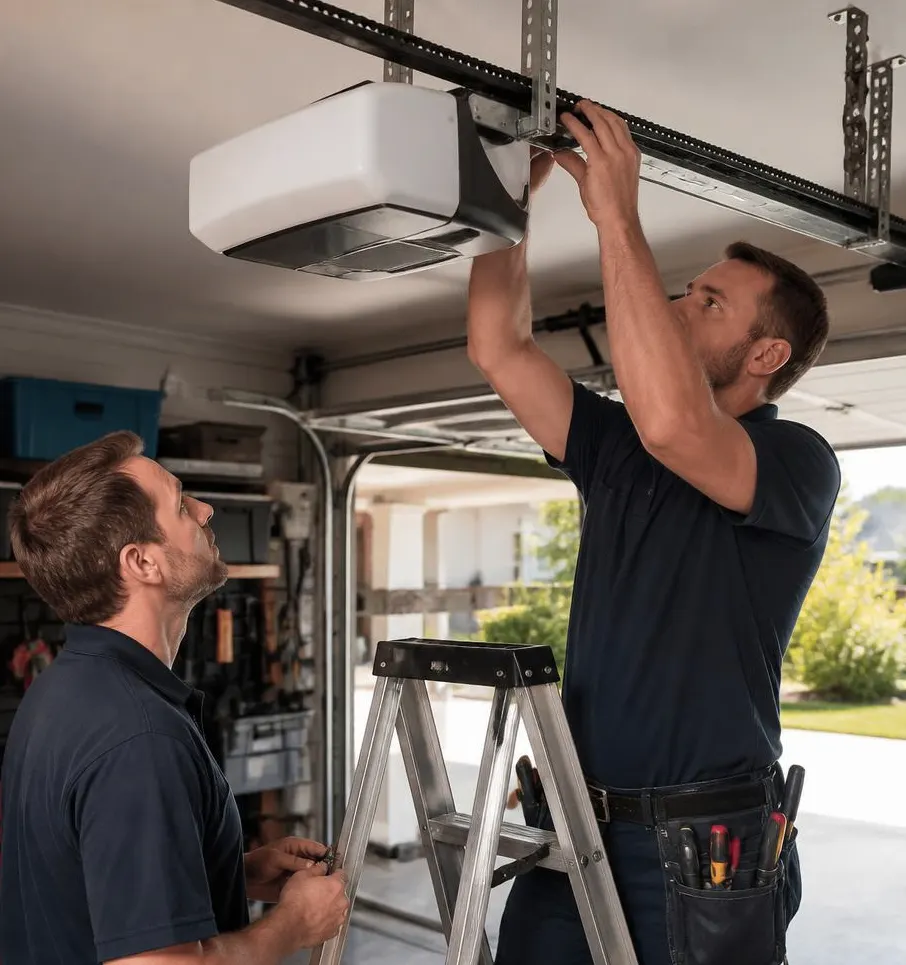
Humidity and heat are hard on garage door opener electronics and belt/chain drives. Before the season shifts fully, check that the remote and keypad still have consistent range, listen for new grinding or straining sounds from the motor, and confirm the opener's force settings haven't drifted — a door that struggles to close evenly is working harder than it should.
When to Call Precision Garage Door of Coral Gables
If you're seeing rust on the springs, a door that's unbalanced, gaps from shrinking weatherstripping, or an opener that's straining, it's time for a professional look rather than a guess. Precision Garage Door of Coral Gables handles Garage Door Maintenance & Tune-Up visits that cover lubrication, hardware tightening, and balance checks, along with Garage Door Spring Repair for springs that are showing wear from the humidity swings of the past few months. We diagnose the actual cause instead of just patching symptoms.
Call Precision Garage Door of Coral Gables today to schedule a seasonal tune-up and head into the drier months with a door that's actually ready for it.